


Biophilic Design: Art That Breathes Life into Your Home
Biophilic design is a strategic approach to interior architecture and decor that integrates natural elements to improve occupant connectivity to the natural environment. By incorporating nature-inspired art, such as botanical prints, landscape photography, and organic color palettes, homeowners can significantly reduce stress levels, enhance cognitive function, and foster a restorative atmosphere without the maintenance of living flora.
Biophilic Design: Art That Breathes Life into Your Home
What is Biophilic Design in the context of wall art?
Biophilic design is a concept used within the building and interior design industries to increase occupant connectivity to the natural environment. In terms of decor and wall art, it involves selecting visual elements that mimic nature—fractal patterns, organic shapes, and earth tones—to trigger the physiological relaxation responses associated with being outdoors. It transforms a house from a shelter into a restorative sanctuary.
The Biological Imperative: Why We Need Nature Indoors
In an era where the average person spends over 90% of their time indoors, the disconnect from the natural world has measurable impacts on mental health and productivity. This is where biophilic design transcends mere aesthetics; it becomes a wellness strategy. At Posterlefi, we have observed a significant shift in the global design narrative. It is no longer just about filling a wall; it is about curating an environment that heals.
Research suggests that viewing images of nature can lower blood pressure and reduce stress hormones. While adding potted plants is the most obvious step, maintaining a jungle indoors isn't feasible for everyone. This is where high-quality nature prints and art play a pivotal role. They offer the visual complexity and calming presence of the outdoors, providing a permanent window to nature that never needs watering.
Core Elements of Biophilic Art Selection
To successfully integrate biophilic principles through art, one must look beyond simple floral depictions. It requires a deep dive into textures, colors, and subject matter that resonate with our primal instincts.
1. The Power of Botanical Imagery
The most direct way to introduce biophilia is through literal representations of flora. However, the modern approach favors specific styles that align with contemporary interiors. Botanical art has evolved from scientific diagrams to emotive portraits of nature. We recommend layering different scales of imagery:
- Macro Details: Close-ups of leaf veins or petals that highlight organic geometry. Browse our leaves & plants collection to find prints that emphasize these intricate fractal patterns.
- Vintage Charm: There is a grounding quality to history. Incorporating vintage prints of flora and fauna adds a layer of timelessness and nostalgia, deepening the emotional connection to the space.
- Soft Textures: For a gentler approach, watercolor paintings of nature soften the hard lines of modern architecture, introducing fluidity and movement.
2. Immersion Through Landscape Photography
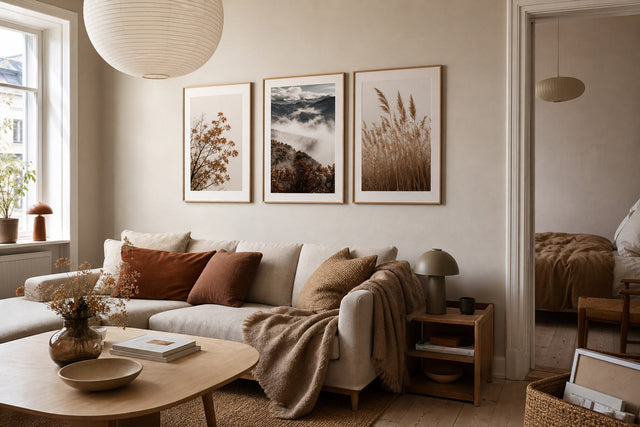
While botanical illustrations focus on objects, photography focuses on environments. High-definition nature photography acts as a visual teleportation device. Placing a large-scale horizon line or a forest depth shot in a living room creates a sense of vastness, combating the claustrophobia of small urban apartments.
For those looking to create a serene escape, landscape prints featuring misty mountains, calm lakes, or dense forests are essential. These images encourage "soft fascination," a state of attention that restores mental clarity.
3. The Earth-Tone Color Palette
Biophilic design relies heavily on color psychology. You want to mimic the palette of the earth to ground the space. Bright, artificial neon colors are generally avoided in favor of organic hues.
- Greens: The most abundant color in nature, associated with growth and renewal. Explore our green art collection to find pieces that range from deep forest emeralds to soft sage.
- Browns & Beiges: These are the foundation of the biophilic look, representing soil, wood, and stone. Integrating art with brown tones or beige backgrounds provides warmth and stability.
- Sky & Water: Cool tones are necessary for balance. Blue art prints can simulate the calming effects of the sky or ocean, essential for high-stress areas like home offices.
The Scandinavian Connection
It is impossible to discuss biophilic design without acknowledging its synergy with Scandinavian interiors. The Nordic aesthetic is built on a respect for natural materials—wood, wool, and light. Our Scandinavian collection epitomizes this blend of minimalism and nature. The "Scandi-Biophilic" fusion uses minimalist art depicting organic shapes to keep the space uncluttered yet alive.
Posterlefi Strategy: Room-by-Room Biophilia
We have developed a strategic approach to applying these prints throughout the home to maximize wellness benefits.
The Living Room: Social Connection
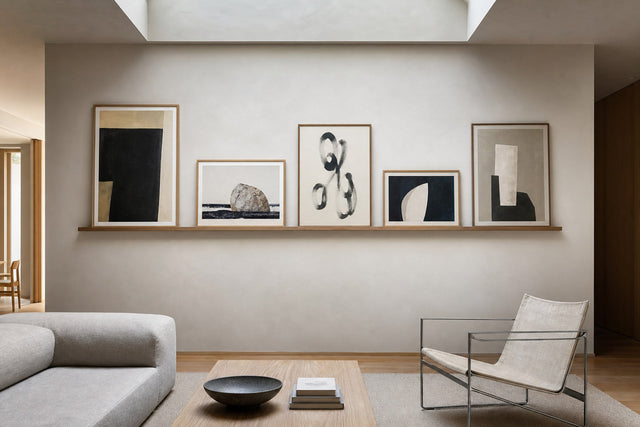
This is the heart of the home. Here, you want conversation starters that also relax guests. We recommend a gallery wall mixing abstract art with organic forms and large nature prints. If your living room lacks windows, a large, framed piece of forest photography can serve as a faux window.
The Bedroom: Rest and Restoration
The bedroom requires low-arousal stimuli. Avoid chaotic patterns. Instead, opt for line art of female figures or flowers, or soft flower prints in muted tones. The goal is to lower the heart rate before sleep. Insects & butterflies prints can also add a delicate, dreamlike quality to bedroom decor.
The Home Office: Focus and Creativity
Natural elements boost cognitive function. For the office, consider graphic illustrations of plants or cities photography that incorporates urban greenery. This blend of structure and nature keeps the mind alert but not stressed.
Seasonal Rotations: Keeping the Connection Alive
Nature changes, and so should your walls. A static environment can become stale. We advocate for a seasonal rotation of your art prints to mirror the world outside:
- Spring: Introduce new life with fresh spring prints featuring buds, light greens, and pastels.
- Summer: Embrace vibrancy and warmth with summer prints or coastal landscapes.
- Autumn/Winter: As the days darken, switch to cozy, introspective imagery from our winter prints collection to create a sense of 'hygge'.
Biophilic Art vs. Live Plants: A Comparison
While we encourage real plants, art offers distinct advantages for specific design goals.
| Feature | Live Plants | Biophilic Wall Art |
|---|---|---|
| Maintenance | High (Watering, Pruning, Soil) | Zero (Dusting only) |
| Light Requirements | Strict (Needs sunlight) | Flexible (Works in dark corners/hallways) |
| Visual Impact | Texture and Volume | Color, Narrative, and Focal Point |
| Longevity | Variable (Can die) | Permanent |
Frequently Asked Questions (FAQ)
Can abstract art be biophilic?
Yes. If the abstract art utilizes organic shapes (soft curves rather than sharp angles) and colors found in nature (earth tones, blues, greens), it triggers the same biophilic responses in the brain. Explore our abstract art collection for organic forms.
How do I choose the right frame for nature art?
To enhance the biophilic effect, choose frames made of natural materials like oak or walnut. Avoid plastic or high-gloss metals. The frame should act as an extension of the nature-inspired artwork.
What if I don't like green?
Biophilia isn't just about green. It includes the blues of the ocean, the greys of stone, and the browns of wood. You can achieve a stunning biophilic look using monochromatic black and white photography of landscapes or animals from our animals collection.
How many prints should I use?
There is no hard rule, but the "Posterlefi Gallery Wall Method" suggests balancing one large "hero" piece (like a landscape) with 2-3 smaller supporting pieces (like botanical sketches or quote posters related to nature) to create an ecosystem on your wall.
Conclusion: Bringing It All Home
Biophilic design is more than a trend; it is a return to our roots. By thoughtfully curating your space with art that breathes life—from detailed leaves & plants prints to sweeping nature photography—you create a home that actively contributes to your well-being. Art is the bridge between the built environment and the natural world.
Ready to transform your space? Start by exploring our Bestsellers to see how other design lovers are bringing the outdoors in, or check our New In section for the latest botanical trends.
Build your wall virtually before you spend a penny
Arrange sizes and layout on a virtual wall — free, before you buy.

Start with these
See the whole collection →


Related inspiration

100-day returns