


Japandi Style: Mastering the Scandi-Japanese Hybrid for Your Home
Japandi is a harmonious hybrid interior design style that blends the rustic warmth and comfort of Scandinavian 'hygge' with the functional elegance and imperfection of Japanese 'wabi-sabi'. This aesthetic prioritizes minimalism, clean lines, natural materials, and a neutral, earthy color palette to create spaces that are simultaneously peaceful, organized, and inviting.
The Ultimate Guide to the Japandi Aesthetic
In a world that often feels chaotic and cluttered, the home has become a sanctuary. It is no surprise that Japandi style—the sophisticated fusion of Scandinavian functionality and Japanese rustic minimalism—has risen to the forefront of global interior design. Unlike fleeting trends, Japandi is a design philosophy rooted in culture, purpose, and mindfulness.
At Posterlefi, we have analyzed the rise of this aesthetic and identified a gap in how it is often presented. While many admire the look, few understand exactly how to execute it. This guide is not just an overview; it is a strategic blueprint for mastering the Scandi-Japanese hybrid, specifically focusing on how minimalist wall art serves as the anchor for this serene look.
What is Japandi? The Direct Answer
Japandi is the intersection of two distinct design philosophies: Scandinavian Hygge (coziness and well-being) and Japanese Wabi-Sabi (finding beauty in imperfection). It combines the modern flair of Nordic design with the timeless elegance of Japanese aesthetics to create a style that is clean but warm, minimal but cozy.
The Core Pillars: Hygge Meets Wabi-Sabi
To truly master Japandi, one must understand its components. It is not enough to simply buy beige furniture; you must curate an atmosphere.
- Functional Minimalism: Every item in a Japandi room has a purpose. There is no room for superfluous decor.
- Natural Materials: Unfinished woods, bamboo, rattan, linen, and stone are essential.
- Low-Profile Furniture: Influenced by Japanese culture, furniture sits lower to the ground to promote a sense of connection to the earth.
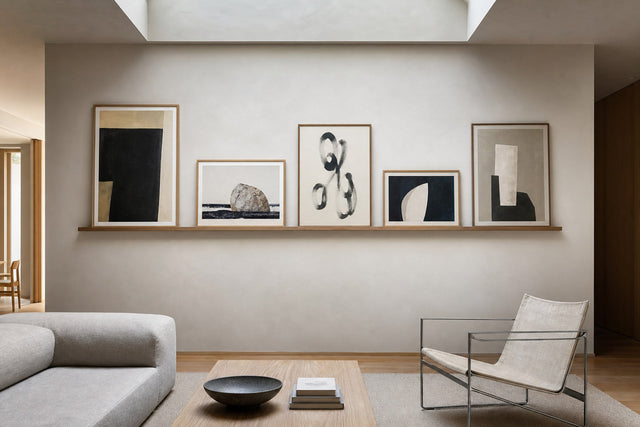
- Intentional Art: Walls are never cluttered. Instead, they feature carefully selected Scandinavian art prints that complement the room's energy.
The Japandi Color Palette: Earthy and Muted
The color scheme is the foundation of the Japandi look. It avoids the stark, clinical white of pure minimalism and embraces warmth.
We recommend starting with a base of warm whites and creams. From there, layer in earth tones. You should explore our curated collections to find prints that match these specific hues:
- Beige & Sand: The backbone of the style. Discover our beige art prints to create a soft, neutral backdrop that blends seamlessly with wooden furniture.
- Stone Gray: A grounding color that adds sophistication without darkness. Our gray art collection offers excellent textured visuals.
- Brown & Terracotta: To bring in warmth and a connection to the soil. See our brown art selections.
- Contrast Accents: Japanese design often utilizes black to define space and add graphic interest. Use black art frames or prints sparingly to anchor the room.
Mastering Japandi Wall Art: The Posterlefi Strategy
This is where most homeowners struggle. How do you decorate walls in a minimalist style without them feeling empty? The secret lies in the Posterlefi Gallery Wall Method for Japandi interiors: Quality over Quantity.
1. The "Single Statement" Approach
In Japandi design, negative space is as important as the object itself. Instead of a cluttered wall, choose one large-scale piece. A large, solitary print from our abstract art collection can serve as the room's focal point, providing visual interest without overwhelming the senses.
2. Organic Lines and Imperfection
To channel wabi-sabi, look for art that celebrates organic forms rather than rigid geometric precision. Line art is particularly effective here. The fluid motion of a single line drawing captures elegance and simplicity, perfectly bridging the gap between Nordic modernism and Japanese calligraphy.
3. Bringing Nature Indoors
Both Scandinavian and Japanese cultures deeply respect nature. If you lack large windows with garden views, your walls must compensate. We strongly recommend integrating:
- Botanical Prints: Subtle imagery of flora works best. Browse our botanical collection for understated plant imagery.
- Nature Photography: For a more moody, atmospheric vibe, nature photography featuring mist, forests, or stone textures can add depth to a room.
- Leaves & Plants: Specifically, high-contrast close-ups found in our leaves and plants category can mimic the presence of indoor greenery.
Textural Interplay: Softening the Lines
Because Japandi relies on clean lines, the space can risk feeling cold. You must introduce texture to bring in the hygge factor. This is achieved through textiles—bouclé throws, linen curtains, and wool rugs.
However, texture can also be visual. Consider watercolor paintings. The bleed and blend of watercolor pigments introduce a softness that rigid digital art cannot, mimicking the fluidity of water and ink.
Room-by-Room Application
The Living Room
Focus on low-profile sofas in neutral fabrics. Use a coffee table made of light oak or walnut. On the main wall, create a small, asymmetric arrangement of landscape art prints that reflect calm horizons or misty mountains. Ensure the frames are slim wood or matte black.
The Bedroom
This space demands absolute tranquility. Keep the bedding white or oatmeal. Minimize distractions. A single piece of illustration art above the bed, perhaps depicting a sleeping figure or a simple shape, establishes a restful mood. If you prefer photography, our spring prints collection often features soft, rejuvenating imagery perfect for waking up to.
Comparison: Scandi vs. Japanese vs. Japandi
| Feature | Scandinavian Style | Japanese Style | Japandi (Hybrid) |
|---|---|---|---|
| Core Philosophy | Hygge (Comfort) | Wabi-Sabi (Imperfection) | Comfort within Imperfection |
| Dominant Colors | White, Gray, Cool tones | Earth tones, Black, Wood | Warm Neutrals, Beige, muted Earth tones |
| Furniture | Functional, Clean lines | Low-profile, Traditional | Low-profile, Modern, Wooden |
| Decor | Soft textiles, candles | Minimal, ceramic, bonsai | Ceramics, Abstract Art, dried botanicals |
Key Takeaways for the Japandi Look
- Declutter ruthlessly: If it doesn't have a function or bring joy, remove it.
- Mix wood tones: It is acceptable to mix light Scandi woods with darker Japanese timber tones.
- Invest in Art: Use bestselling art prints that focus on abstraction and nature to anchor your color palette.
- Embrace Emptiness: Leave some walls bare to let the room breathe.
Frequently Asked Questions (FAQ)
Can I use color in Japandi style?
Yes, but it should be muted. Avoid neon or primary colors. Instead, look for muted blues or greens to reflect nature. Our green art prints or soft blue collections are perfect for adding subtle color without breaking the aesthetic.
Is Japandi expensive to achieve?
Not necessarily. Because it focuses on minimalism, you are buying fewer items of higher quality. You can transform a room simply by decluttering and adding strategic art prints from our deals section that fit the aesthetic.
What is the best frame color for Japandi art?
We recommend natural oak frames to match the wooden furniture, or thin matte black frames to add that essential Japanese graphic contrast.
Does Japandi work in small spaces?
Japandi is arguably the best style for small spaces. The low furniture creates an illusion of higher ceilings, and the clutter-free philosophy maximizes usable floor area.
Conclusion
Embracing Japandi is about more than just following a trend; it is about creating a home that lowers your heart rate the moment you walk through the door. By balancing the rustic with the modern and the comfortable with the curated, you can achieve a timeless look.
Ready to start your transformation? Begin by selecting the art that will set the tone for your space. Explore our new arrivals to find the perfect piece that speaks to your new sense of calm.
Build your wall virtually before you spend a penny
Arrange sizes and layout on a virtual wall — free, before you buy.

Start with these
See the whole collection →


Related inspiration


100-day returns