


Dining Room Art: Conversation Starters & The Art of Social Spaces
The most effective dining room art serves as a conversation starter by incorporating complex visual narratives, surreal imagery, or abstract patterns that invite interpretation. To select the perfect piece, focus on large-scale formats that act as a focal point, utilize color psychology to set the mood, and choose themes like vintage iconic photography or detailed botanical prints. The goal is to create a visual anchor that bridges the gap between culinary experience and social interaction.
The Art of Conversation: Elevating Dining Experiences with Wall Decor
The dining room is more than a place to eat; it is the social heart of the home. It is where stories are shared, debates are settled, and memories are cemented. However, silence can sometimes fall over a dinner party. This is where your choice of dining room wall decor becomes critical. At Posterlefi, we believe that the right artwork does not just fill a space—it speaks. It acts as the ultimate icebreaker, guiding the energy of the room and sparking dialogue among guests.
The Posterlefi Principle: What makes art a conversation starter?
The answer lies in "Cognitive Friction." The best conversation starters are pieces that require a second look. They are typically large art dining room focal points that feature ambiguity, nostalgia, or striking complexity. Whether it is a surreal collage, a high-contrast abstract piece, or a vintage photograph with historical context, the art must invite the viewer to ask: "What is the story behind that?" or "What do you see in this shape?"
1. The Psychology of Visual Intrigue
When designing a dining space, particularly for those who appreciate the clean lines of Scandinavian design, there is a temptation to go purely functional. However, psychological studies suggest that complex visual stimuli can stimulate cognitive engagement. To get your guests talking, you need art that challenges the eye.
We recommend integrating abstract art prints. The lack of concrete subject matter in abstract works triggers a phenomenon called Pareidolia—the tendency to see recognizable shapes in random patterns. This naturally leads to the question, "What does everyone see in this painting?" turning your wall into a collaborative Rorschach test.
2. Going Big: Large Art for Maximum Impact
In 2026, the trend is shifting away from clutter and toward impactful, singular statements. A large art dining room piece serves as an anchor. It commands attention and sets the color palette for the entire room. When selecting a large format piece, consider the mood you wish to evoke:
- Serenity & Depth: Expansive landscape photography acts as a window, expanding the room and offering a view into another world.
- Drama & Contrast: Large-scale black and white photography creates a sophisticated, gallery-like atmosphere that feels curated and expensive.
- Organic Connection: Oversized nature prints bring the outdoors in, fostering a sense of biophilic calm that aids digestion and relaxation.
3. Themes That Tell a Story
To truly master the art of the conversation starter, one must move beyond generic decor. We advise selecting specific genres known for their narrative depth.
Surrealism and Imagination
Nothing disrupts the mundane like the unexpected. Illustration art often blends reality with fantasy. A print featuring a whale floating above a forest or a clock melting over a table invites guests to discuss dreams, creativity, and the impossible. These pieces are particularly effective when they utilize graphic illustration styles that pop against neutral walls.
Nostalgia and History
History is a shared language. Incorporating vintage posters or iconic photography instantly transports guests to a different era. Whether it is a snapshot of 1950s New York or a retro advertisement, these pieces serve as prompts for storytelling about travel, history, and personal heritage.
The Culinary Connection
While literal food art can be cliché, stylized interpretations are timeless. Artistic coffee & wine prints or beautifully typographed recipe posters are relevant to the immediate context of eating and drinking. They bridge the gap between the kitchen and the table, often sparking discussions about favorite vintages or secret family recipes.
4. Color Theory and Mood Setting
The color of your art dictates the energy of the conversation. In our experience as interior strategists, matching the art to the desired social vibe is essential.
- Energetic & Lively: If you host spirited dinner parties, incorporate warm tones. Orange and pink art prints stimulate appetite and social interaction.
- Calm & Intellectual: For deeper, more intimate conversations, lean towards blue or green hues. These colors lower heart rates and encourage thoughtful dialogue.
- Chic & Modern: For a high-fashion, minimalist dinner setting, stick to beige, gray, and brown earth tones found in our minimalist art collection.
5. Unexpected Subjects: The "Why is that there?" Factor
Sometimes, the best way to start a conversation is to hang something that seems slightly out of place in a dining room. This dissonance creates interest.
Consider animal portraits or detailed insects & butterflies prints. These biological studies are fascinatingly detailed and beautiful, yet unexpected in a dining setting. Similarly, music-themed art can segue the conversation from visual art to auditory preferences, allowing guests to bond over their favorite bands or operas.
6. The Posterlefi Gallery Wall Method
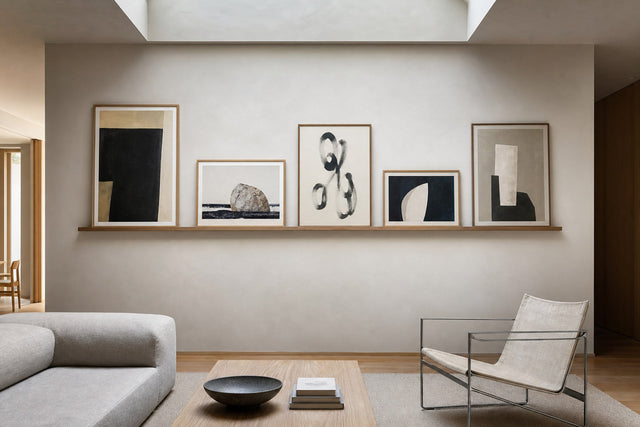
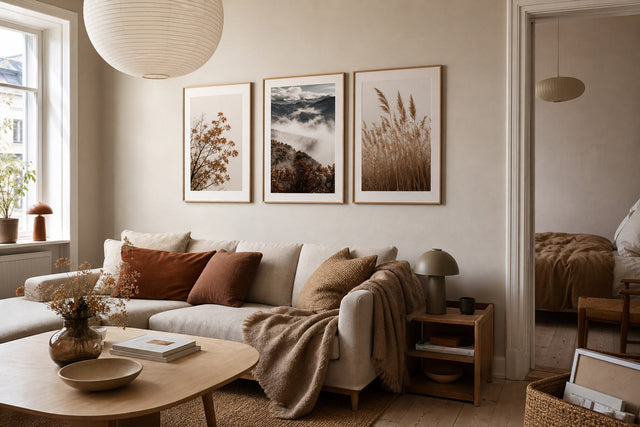
If you prefer variety over a single large piece, a gallery wall allows for multiple narrative threads. The key is cohesion. You can mix watercolor paintings with sharp line art, provided they share a color family or framing style.
Pro Tip: Anchor your gallery wall with one significant piece from our bestsellers list, and surround it with smaller, more niche prints like leaves & plants or flower studies. This hierarchy guides the eye and prevents visual chaos.
Comparison: Art Styles vs. Social Vibe
| Art Style | Primary Vibe | Best Conversation Trigger | Recommended Collection |
|---|---|---|---|
| Abstract | Intellectual & Open | "What do you interpret this as?" | Abstract Art |
| Surreal / Graphic | Playful & Creative | "That is so strange/cool—why is it...?" | Illustration & Graphic |
| Vintage Photography | Nostalgic & Classy | "Does this remind you of...?" | Cities Photography |
| Botanical / Nature | Calm & Grounded | "I love this plant, do you garden?" | Botanical |
| Typography / Quotes | Direct & Bold | Discussing the quote's meaning. | Quote Posters |
Frequently Asked Questions (FAQ)
How high should I hang art in the dining room?
In a dining room, art should be hung slightly lower than in other rooms because it is viewed primarily while sitting. We recommend positioning the center of the artwork at eye level for a seated person, which is approximately 55-60 inches from the floor, or slightly lower depending on your ceiling height.
Can I mix photography and paintings on the same wall?
Absolutely. Mixing media creates a dynamic texture. Combining photography with classic paintings adds depth and implies a collection built over time rather than bought in a single day.
What art works best for small dining nooks?
For smaller spaces, avoid clutter. A single medium-sized piece of line art or a vertical female figure print can elongate the wall without overwhelming the intimate space.
Conclusion: Set the Table, Set the Scene
Your dining room is a theater for friendship and family. Don't let the walls be a blank backdrop. Whether you choose a dramatic piece from our New In collection or a timeless classic, ensure it reflects your personality and invites your guests to engage. Ready to transform your space? Explore our current deals and find the piece that starts your next great conversation.
Build your wall virtually before you spend a penny
Arrange sizes and layout on a virtual wall — free, before you buy.

Start with these
See the whole collection →


Related inspiration

100-day returns